Press a Button, and This SSD Will Delete all Its Stored Data
TeamGroup recently unveiled the world's first external drive with a built-in physical data destruction button. The SSD is called the Expert P35S Destroyer External SSD, as the functions imply. It was made for security-conscious users, with a patented technology that uses a high-voltage electric surge to physically destroy the NAND flash memory, making data recovery totally impossible!
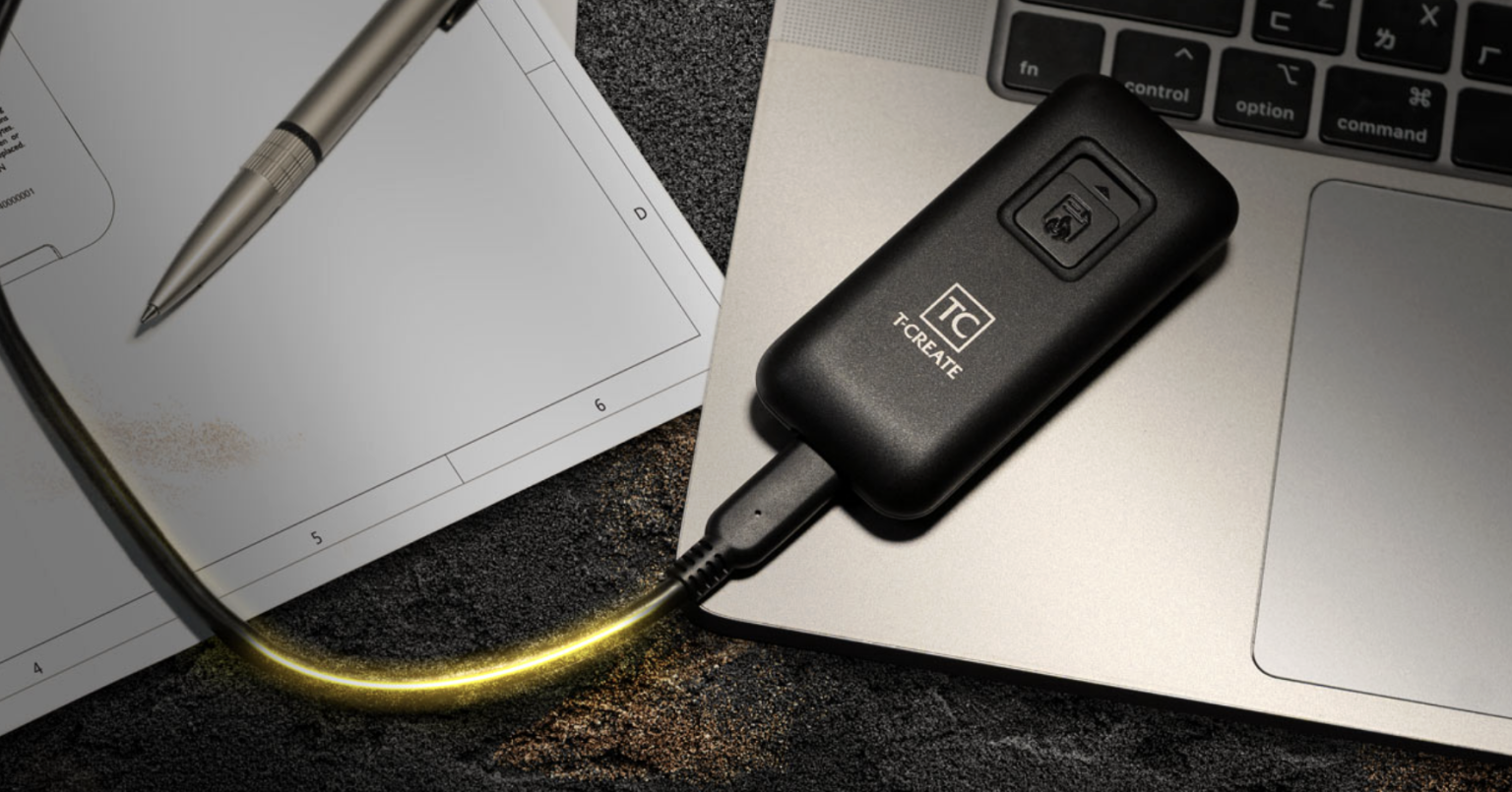
Image:TeamGroup
The Destroyer is portable with a weight of 1.5 ounces, with a built-in storage capacity ranging from 256GB to 2TB, using USB 3.2 Gen 2 speeds, which is up to 1,000 MB/S transfer speeds. It is positioned as a specialized tool for industrial, defense, or high security professionals who need more than just software encryption to protect their sensitive info.
You might be wondering, couldn’t someone accidentally delete their data!? Well, there is actually a two-stage safety push-button. That helps with accidental wipes; users must follow a click-and-slide process accompanied by a red visual warning and dual-damping system.
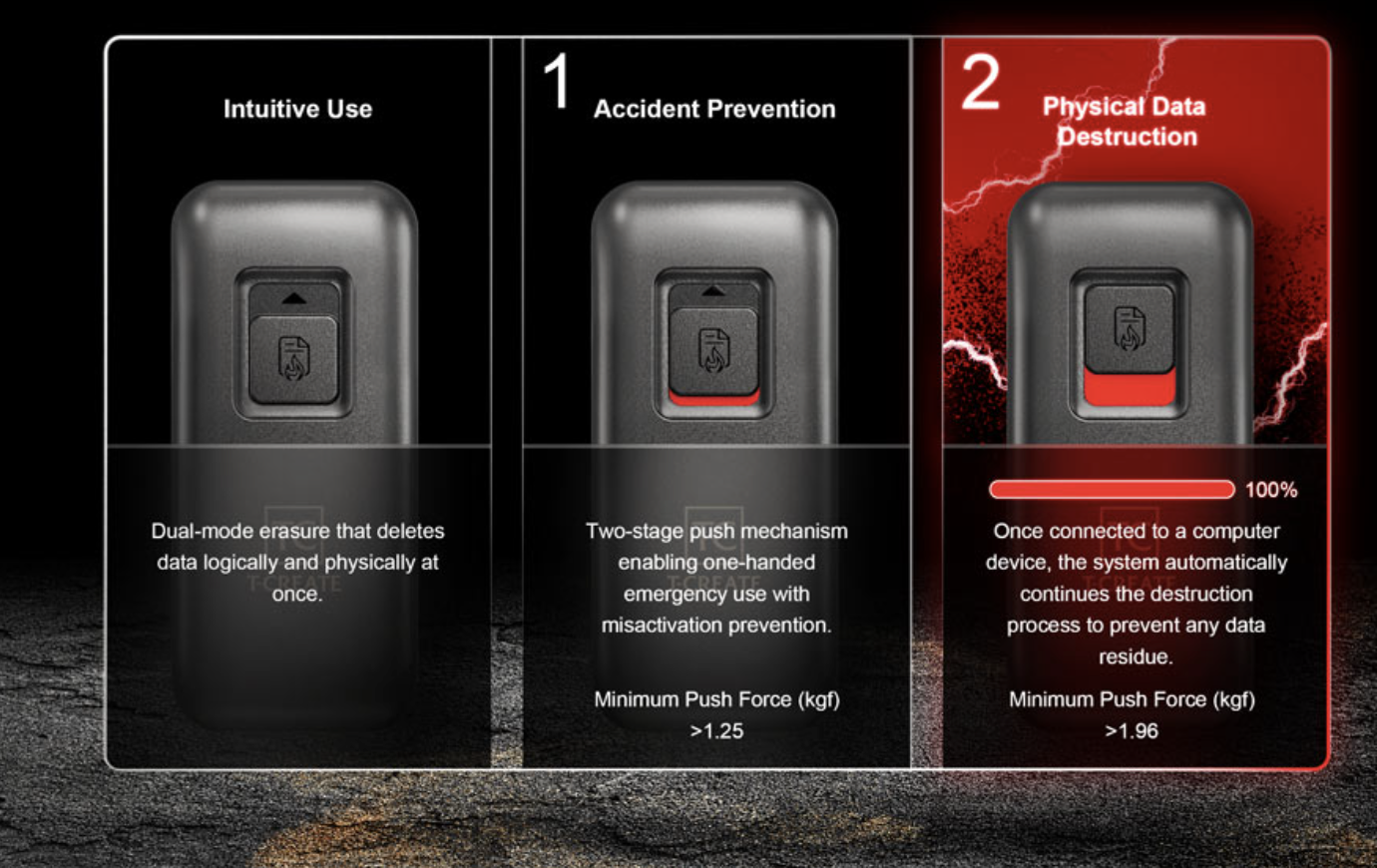
Image:TeamGroup
You might think this is an amazing gadget, but of course, almost everything has to have a catch. This SSD’s catch is that it only self-destructs when connected to a PC, as it requires external power to generate the electrical surge. So, no acting like a super cool spy and deleting an SSD right in front of someone and walking away in a super cool way, without being connected to a PC.
This type of tech isn't entirely new. The TeamGroup P250Q internal SSD used a similar technology, but the P35S brings the red indicator security to an external, portable size.
We still don’t have a launch date and price from TeamGroup following its first Computex reveal. This extreme security measure may one day become standard in high-end external drives as concerns about AI and data theft continue to rise.
Even with a two-stage button, could a simple, curious click by a coworker or child result in a complete loss of data? Would you take the risk and buy this SSD when it comes out? Let us know in the comments!
Source: PCMag Images: TeamGroup